
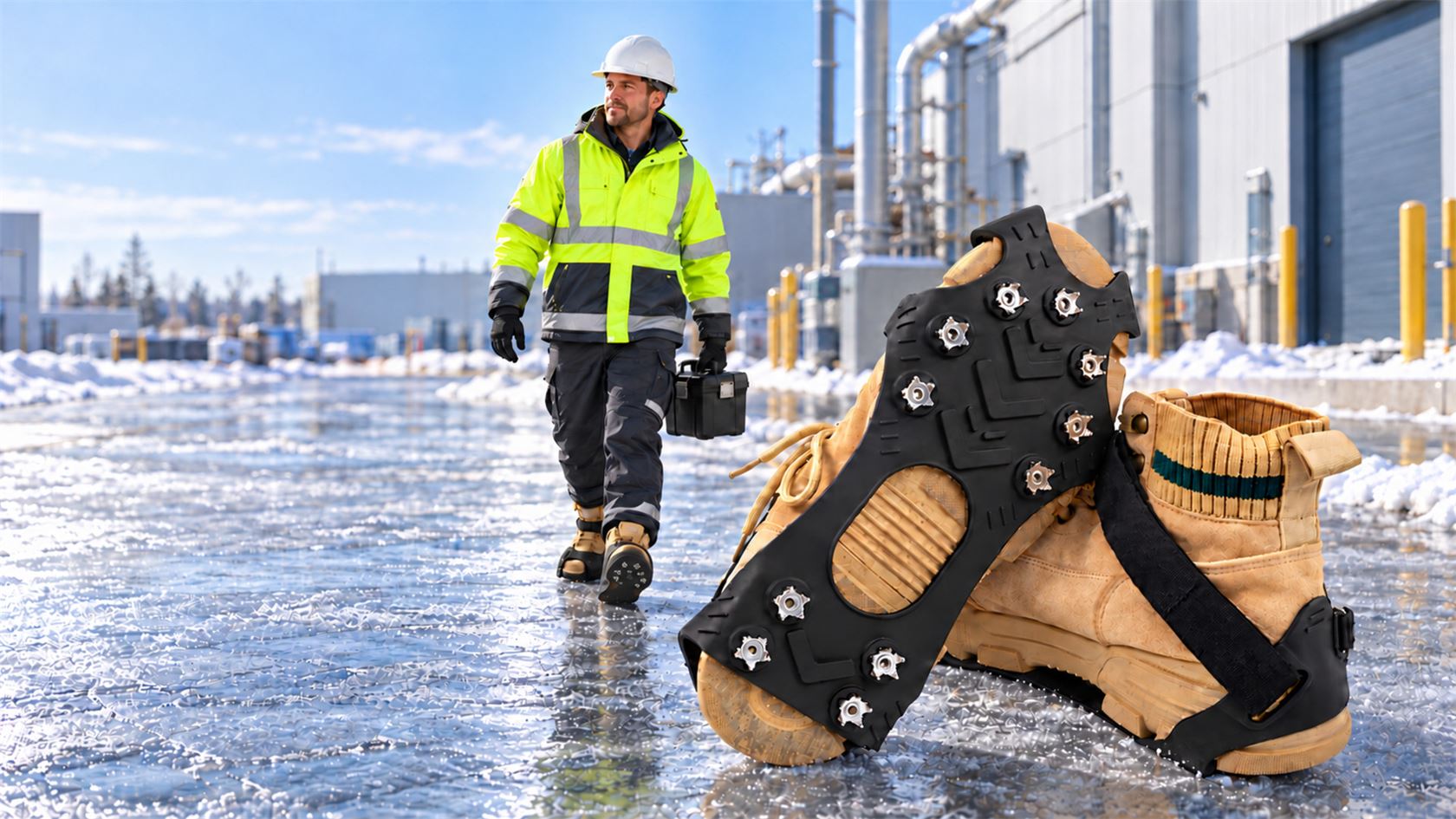
Selection comparison
Choosing ice cleat spike counts: what surfaces suit 5 / 8 / 11 / 14 / 21 spikes
The trade-offs between contact area, bite and hard-surface wear, with a terrain-by-terrain comparison table.
Read →Ice Cleats & Shoe Covers Manufacturer
From spike count and rubber compound to straps and retail boxes, we set the details once for your market. In-house molds, complete test reports, bilingual spec sheets — leave the selection comparisons and compliance paperwork to us.
Only need reports and spec sheets first? No procurement plan required — we just send documents.
Where to start
Browse by use first, then compare specifications by spike count and structure. Every model carries the same bilingual SKU and spec fields.
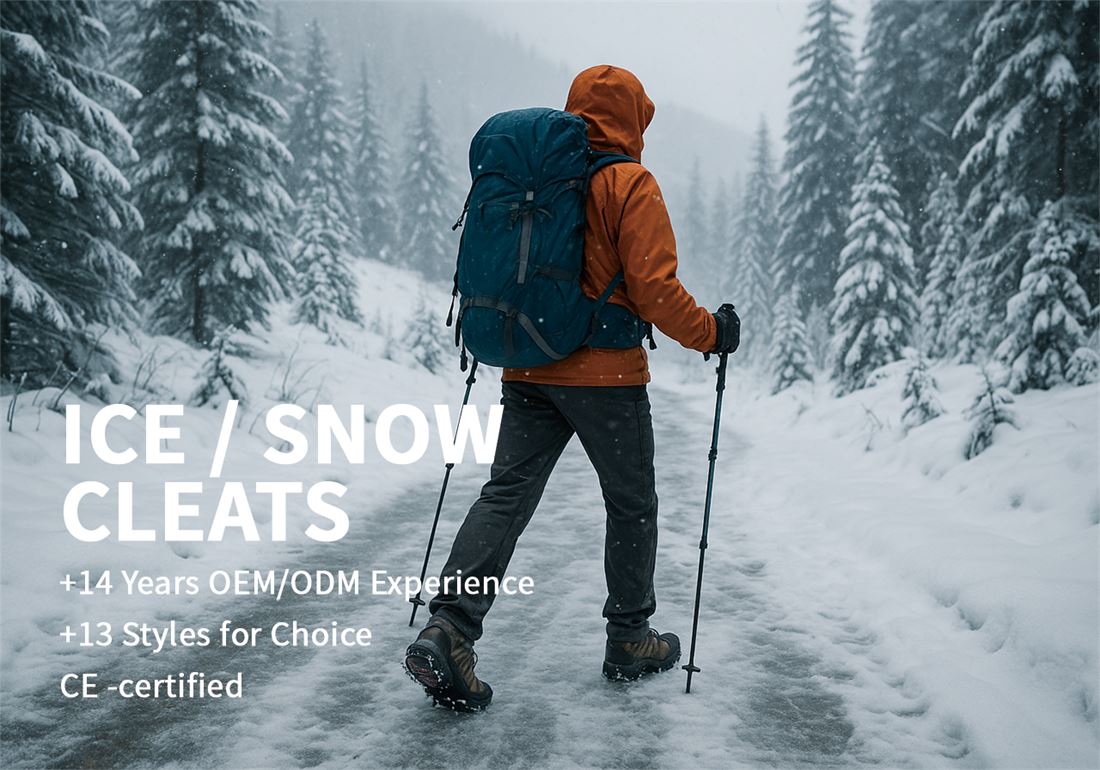
5 / 6 / 8 / 11 / 14 / 21 spikes in forefoot, full-foot and stainless chain structures, with strap or hook-and-loop fastening.
Compare spike counts & structures →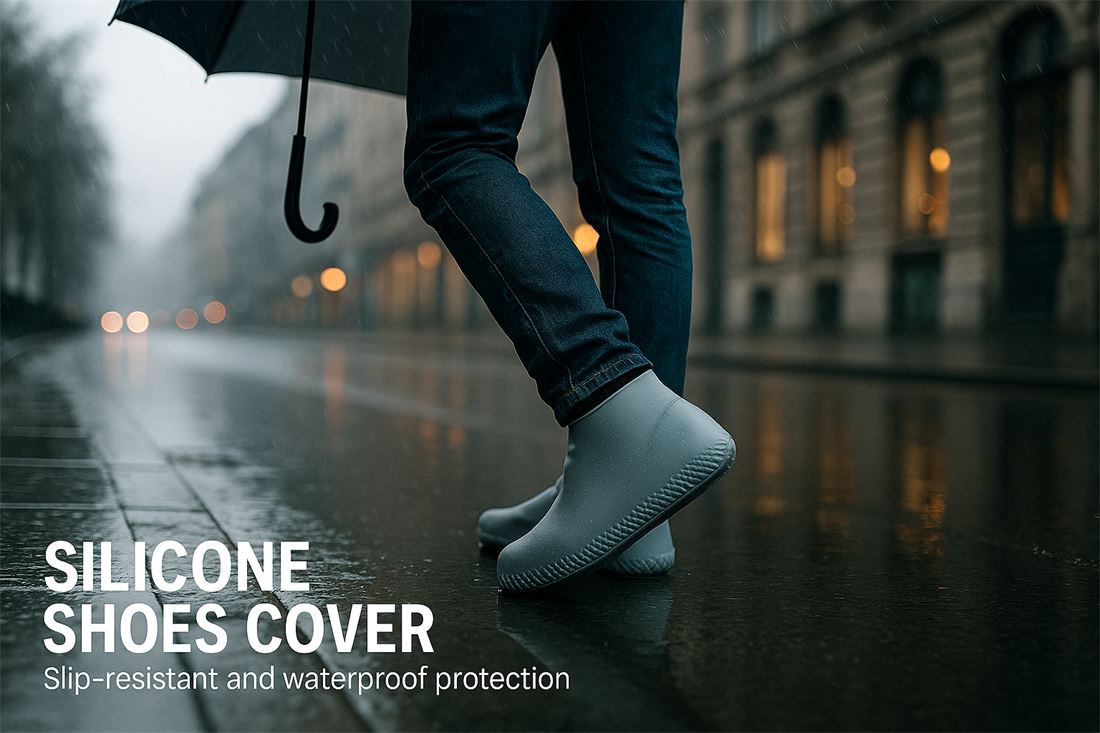
Four types — silicone rain, cycling rain, golf and industrial safety; size charts and outsole abrasion data available on request.
See the four cover types →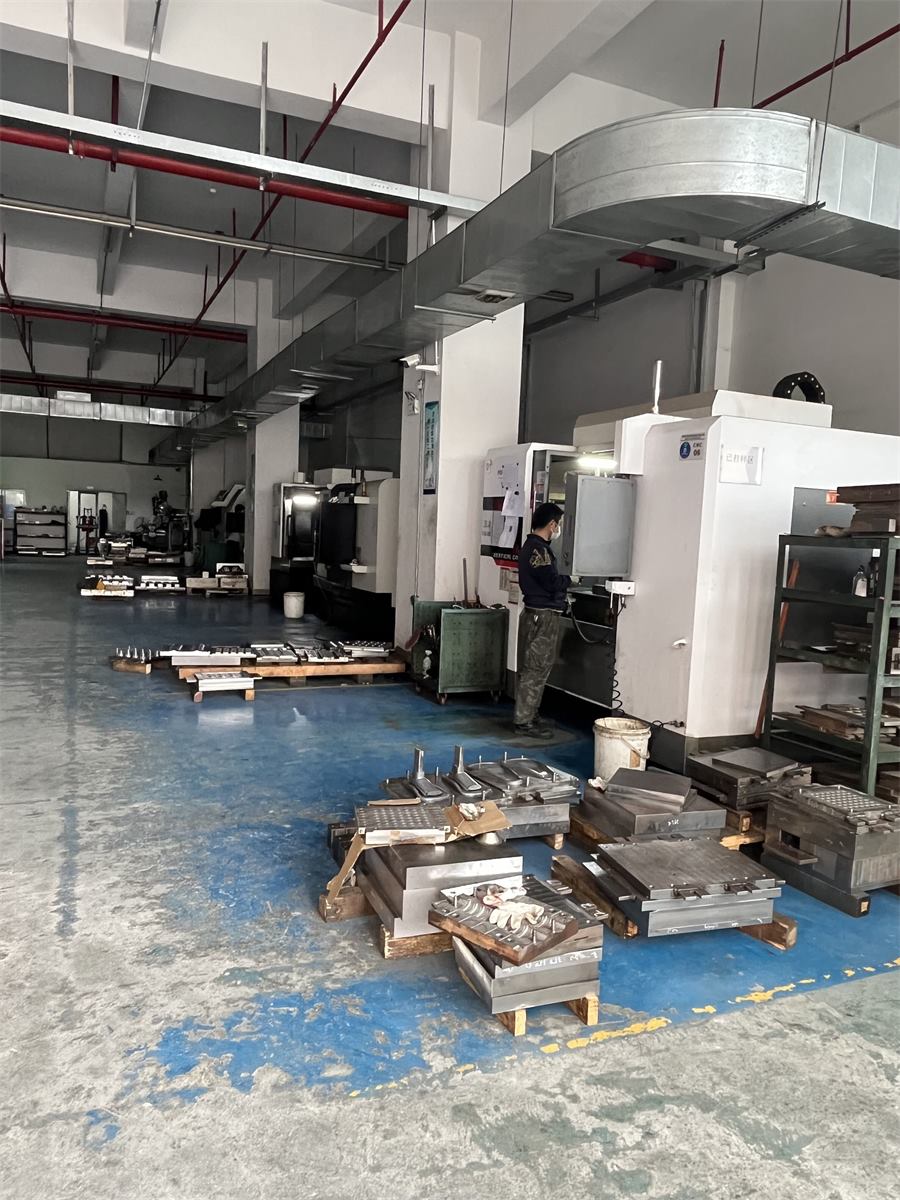
Spike count, stud material, rubber compound, straps, logo and retail box are all customizable; in-house molds keep tooling schedules predictable.
See customizable items & process →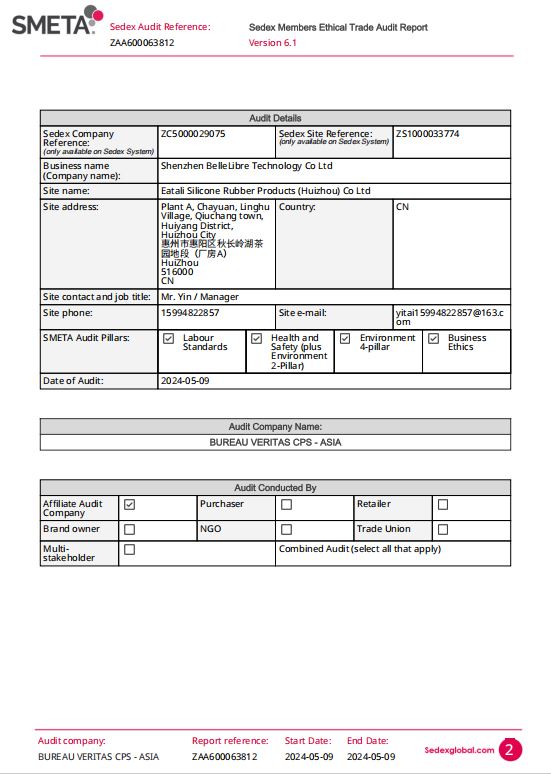
The report index lists the issuing body, covered standards, applicable products and target markets item by item.
Request the report list →Quick selection
What separates ice cleats is not the look but ground contact area and bite. This table maps spike counts to suitable and unsuitable surfaces, so a commuter model never ends up on continuous ice.
| Spike count | Common structure | Fastening | Best suited surfaces | Not recommended for | Representative model |
|---|---|---|---|---|---|
| 5–6 spikes | Forefoot / partial contact | Hook-and-loop · elastic band | City commuting, thin ice on sidewalks & parking lots | Continuous ice, steep slopes | BF-ICW05 6-stud full-foot |
| 8–11 spikes | Full-foot | Straps / steel studs | Winter hiking, packed snow trails, scenic stone steps | Technical ice climbing | BF-ICW01 11-spike full-foot strap model |
| 14 spikes | Continuous full-foot / forefoot | Hook-and-loop + elastic band | Long walks on snow, mixed terrain | Technical climbing requiring front points | BF-ICF01 14-spike continuous model |
| 21 spikes | Stainless steel chain full-foot | Chain tension + steel studs | Continuous ice, shaded slopes, cold-region outdoor work | Hard concrete (accelerates stud wear) | Chain models (see Product Overview) |
| Disc studs | Rubber sole with embedded disc studs | Slip-on + anti-slip inner texture | Icy industrial yards, material handling & sanitation work | Mountaineering use | Shoe covers / industrial safety line |
Manufacturing & quality
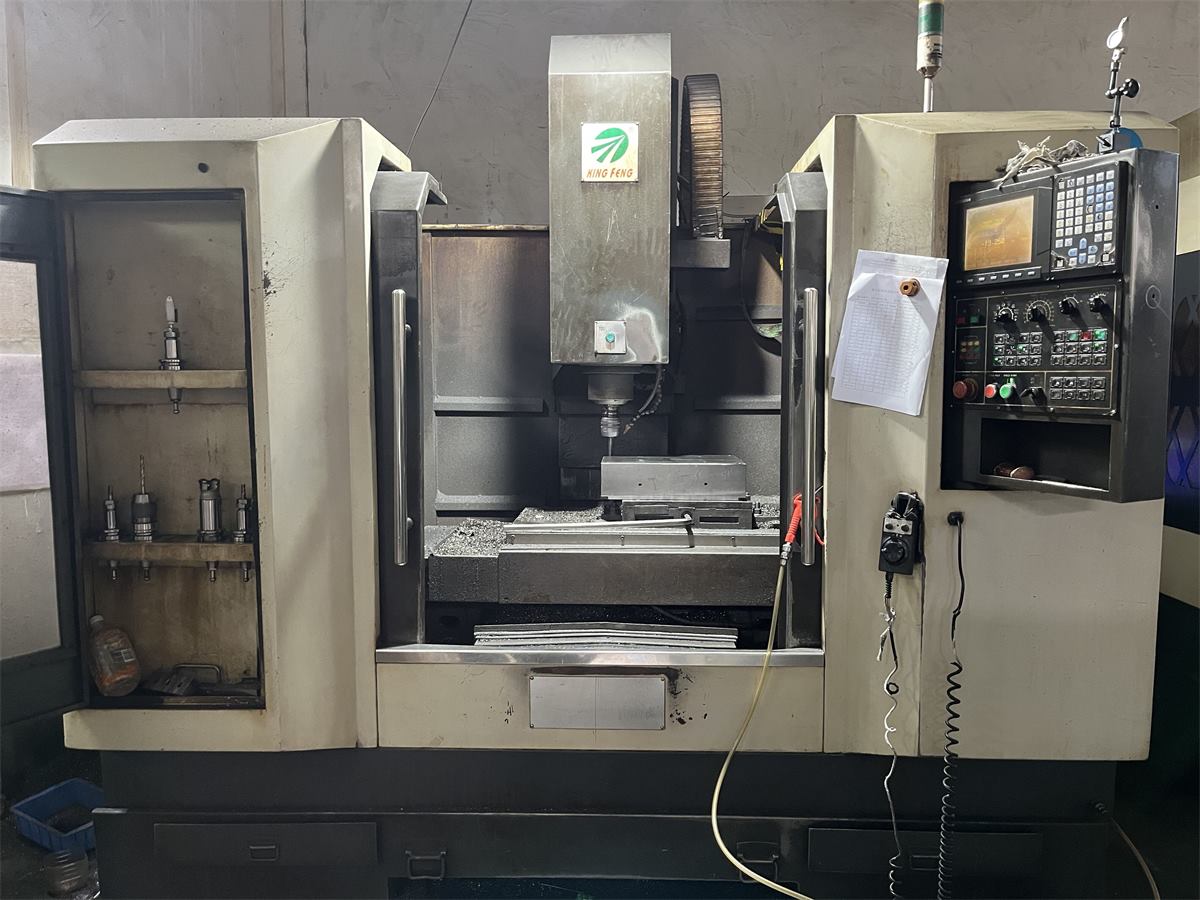
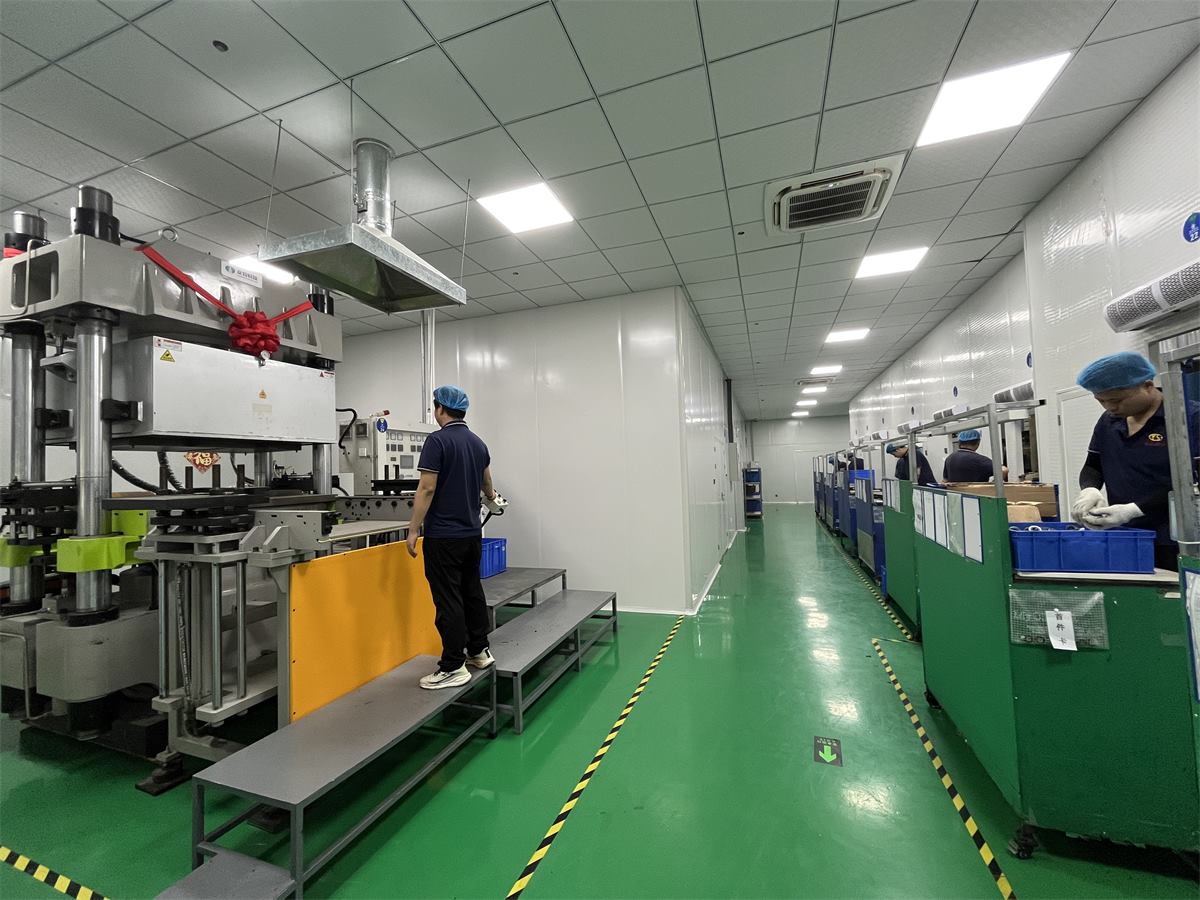
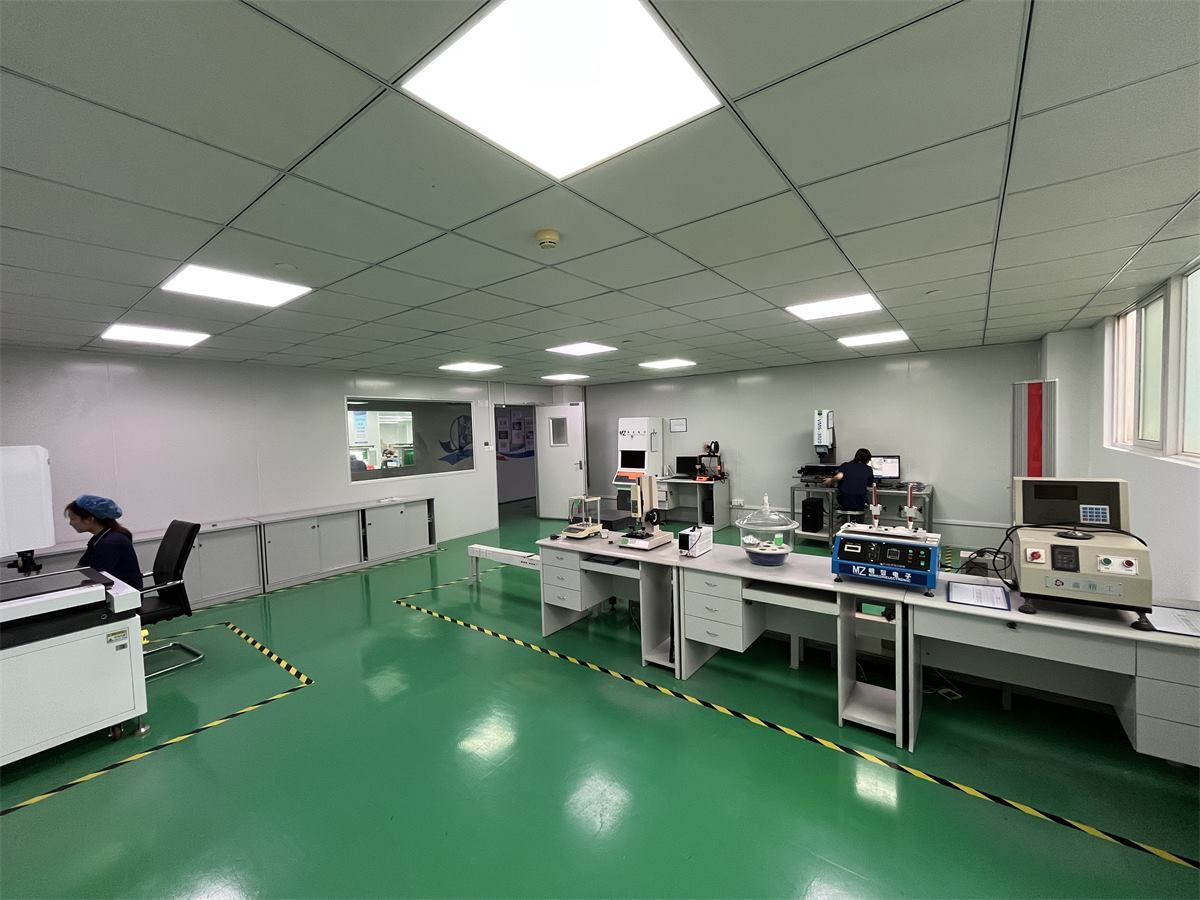
Seven gates from raw-material intake to finished-goods packing all happen inside one plant. That decides three things: the low-temperature compound can be tuned by ourselves, structural revisions don't queue at outside shops, and batch retained samples and inspection records stay traceable.
Certification & report wall
Buyers usually get stuck on the same questions: where are the reports, which markets do they cover, and will customs or platforms accept them. Below are the document types you can request directly.
The full report index (body / report number / applicable products / covered standards / applicable markets) is listed item by item on the Certifications & Reports page. You can request reports only — no procurement plan needed.
Applications
Retail, commuting and workwear channels ask for different spike counts and straps. We recommend model directions by scenario, then you verify against the spec tables.
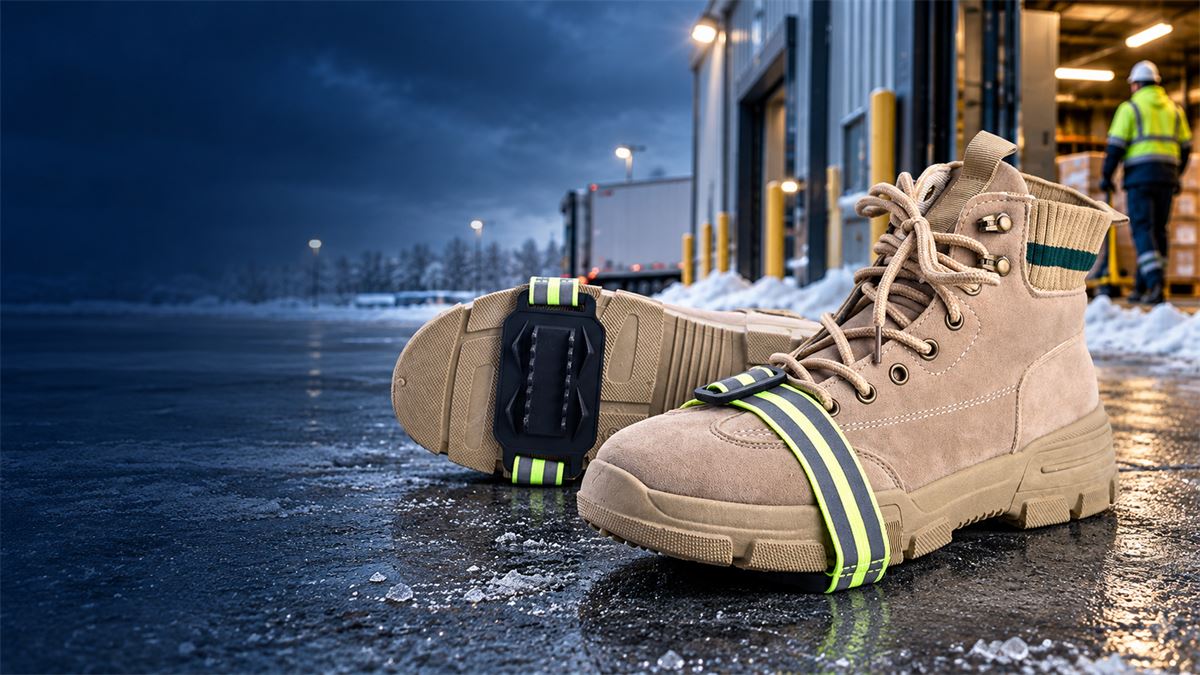
8–14 spike full-foot recommended, straps or hook-and-loop by shoe type; sizing must cover the last differences between hiking boots and work shoes.
See scenarios & recommended models →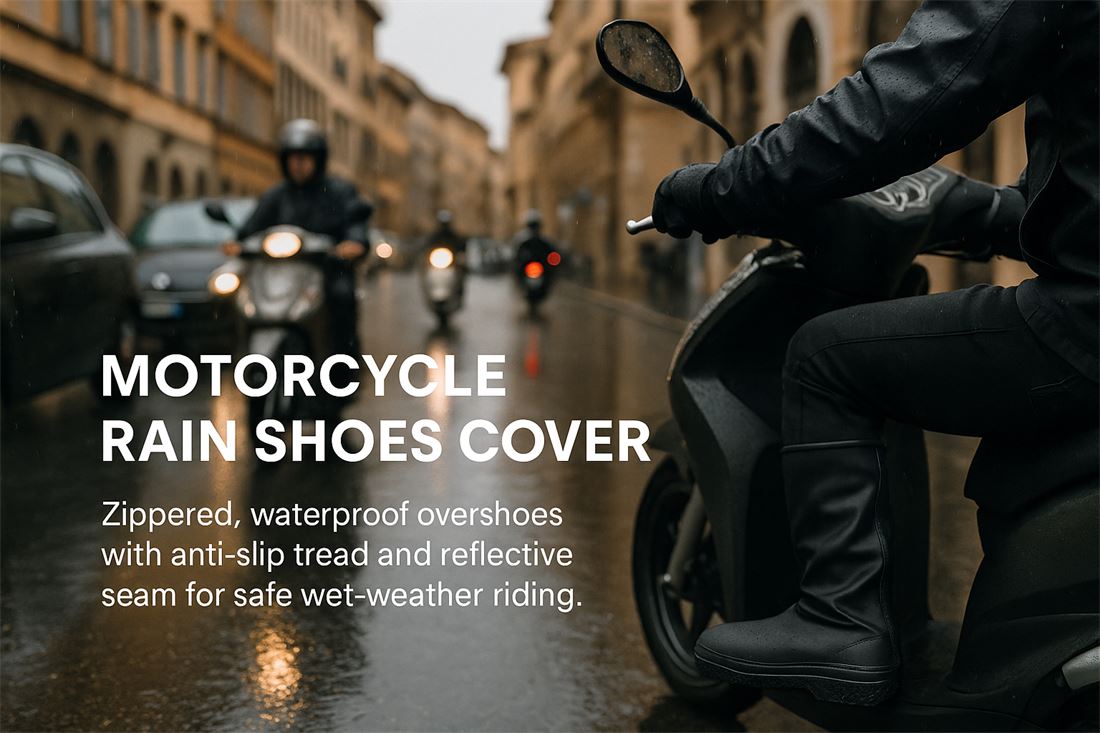
Functional shoe covers lead: rain protection, breathability and outsole abrasion come first, traction second; watch folded size and storage.
See cycling & golf covers →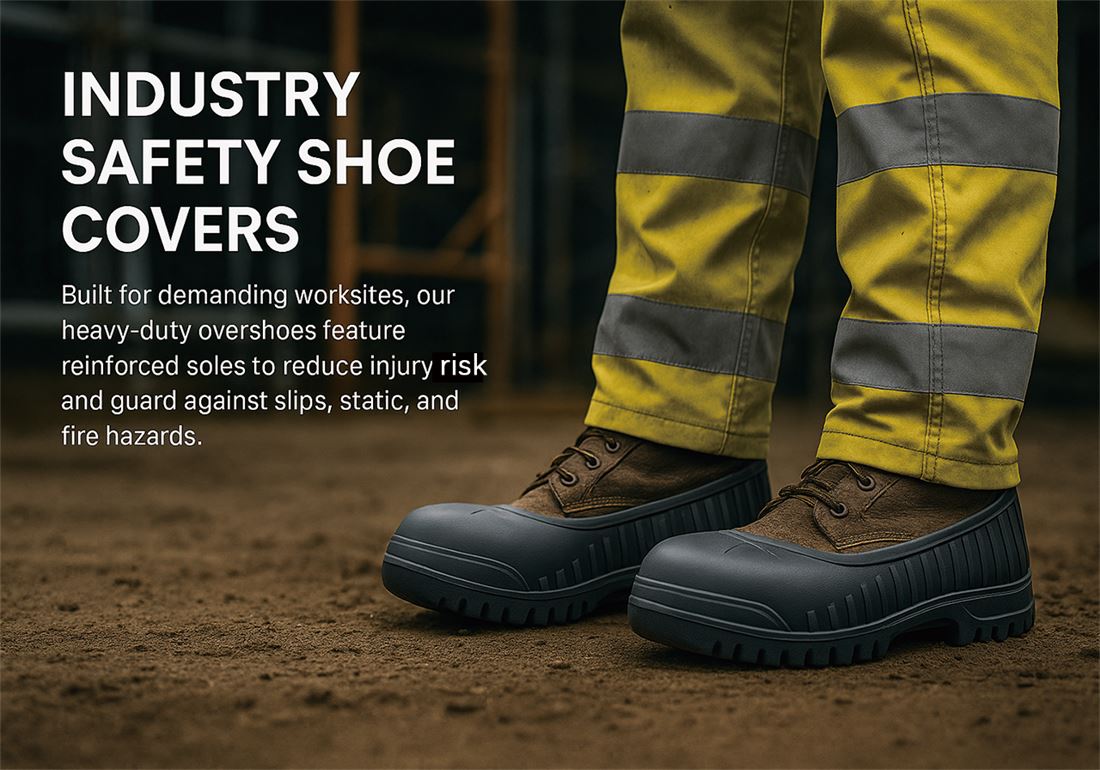
Icy warehouses, sanitation and handling sites: select by disc-stud options plus compliance documents; test support is available.
See the workplace solutions →The 5 questions buyers ask first
Get a quote
Company, country, category, quantity and email are all we need. You can request spec sheets and the report list without sharing a procurement plan.
sales@bluefrontieroutdoors.com (subject prefix [RFQ]); phone and visitor address will be published here once confirmed.
You can request samples and bilingual spec sheets; use the subject prefix [SAMPLE] for sample and catalog requests.
Our 1688 store handles small wholesale orders: bluefrontier.1688.com. Store prices are not copied to this site.
Buying guides
Selection comparison
The trade-offs between contact area, bite and hard-surface wear, with a terrain-by-terrain comparison table.
Read →Sizes & wearing
Size runs matched on outsole length and shoe width, with wearing steps and common mistakes.
Read →Materials & process
How compound and filler systems affect low-temperature performance, and which test items verify it.
Read →